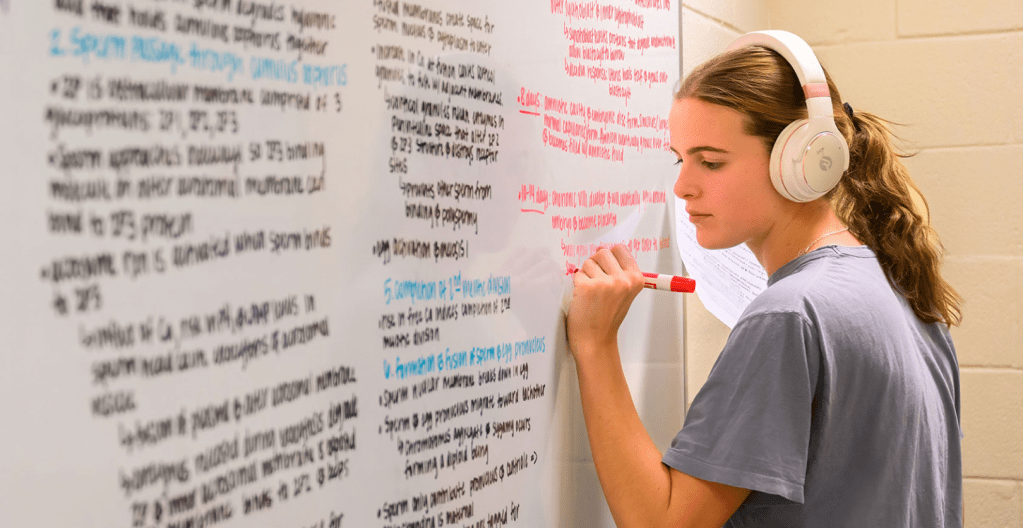
In today’s fast-paced academic environment, students are often expected to juggle rigorous coursework while maintaining their physical and mental health. This balancing act can be overwhelming and, if not managed properly, may lead to burnout, a state of chronic stress that affects performance and well-being. The good news is that with time management and stress-reduction techniques, it’s possible to succeed academically while staying grounded.
Master Time Management
Effective time management is the cornerstone of a balanced student life. Start by creating a weekly schedule that includes classes, study sessions, meals, exercise, and downtime. Tools like Google Calendar can help organize your day and prioritize tasks.
The Pomodoro Technique: studying for 25 minutes followed by a 5-minute break can improve focus and prevent mental fatigue. According to a study published in Frontiers in Psychology, taking structured breaks enhances cognitive function and prevents burnout in high-pressure environments.
Avoid multitasking, this often reduces productivity and increases stress. Instead, tackle one assignment at a time and aim to complete the most demanding tasks when your energy is highest.
Prioritize Sleep and Nutrition
Sleep and nutrition are often the first casualties in a busy academic life, but they’re essential for performance and well-being. The Centers for Disease Control and Prevention (CDC) recommends 7–9 hours of sleep per night for young adults. Chronic sleep deprivation can impair memory, concentration, and decision-making skills—skills critical for academic success.
Equally important is maintaining a balanced diet. Skip the temptation of energy drinks. Instead, opt for whole foods rich in protein, fiber, and healthy fats to keep your brain and body fueled.
Practice Mindfulness and Stress Reduction
Stress is inevitable, but how you respond to it makes all the difference. Mindfulness practices such as meditation, deep breathing, or journaling can help you stay grounded. Apps like Headspace and Calm offer guided meditations specifically for students.
According to the American Psychological Association, mindfulness not only reduces anxiety but also enhances focus and emotional regulation, crucial tools for academic resilience.
Know When to Seek Help
Balancing everything doesn’t mean doing it alone. If you’re feeling overwhelmed, talk to a counselor or academic advisor. Most schools offer free mental health resources and tutoring services, use them.
Balancing health and academics isn’t about doing more; it’s about doing what matters most efficiently and mindfully. By managing your time wisely, prioritizing your health, and actively reducing stress, you can thrive both in and out of the classroom.
 Skye Suess
Leave a comment